

In marketing, email remains a powerful tool for reaching and engaging audiences. With rapid advancements in AI, email marketing has evolved to be more effective and streamlined. For those exploring AI writing solutions, understanding how to humanize AI writing for authentic engagement can add a personal touch to your emails. As AI technology continues to enhance productivity, discovering the best AI tools for small businesses can provide valuable insights into how AI supports efficient campaigns.
This post specifically highlights the best AI email marketing tools to help you enhance your campaigns and connect with customers in meaningful ways.
How the Best AI Email Marketing Tools are Transforming the Industry
AI is more than a buzzword; it’s a game-changer. Imagine automating repetitive tasks, understanding customer behavior, and creating personalized content at scale—all while saving time. Here’s what AI-powered email tools can do for you:
- Schedule emails at optimal send times.
- Create personalized content for each recipient.
- Improve subject lines to boost open rates.
- Automatically segment your audience.
- Analyze campaign performance in real-time.
- Forecast customer behavior to drive informed decisions.
Here are best tools transforming the Email Marketing Industry:
9 Best AI Email Marketing Tools for 2024
Below this summary are details for every tool.
Below are the details for every tool:
1. Klaviyo
Best For: E-commerce businesses seeking advanced targeting and automation.
Overview
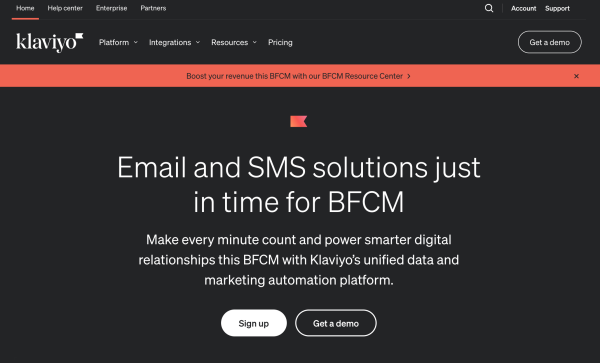
Klaviyo centralizes data from over 350 integrations, including Shopify, enabling highly personalized email and SMS campaigns. With easy-to-use templates and robust automation, it’s ideal for boosting engagement and sales through precise targeting.
Key Features
- Data Integration: Seamlessly connects with 350+ platforms (e.g., Shopify) to centralize customer data.
- Advanced Segmentation: Segment users by behavior, location, and purchase history.
- Multichannel Support: Enables email, SMS, push notifications, and pop-ups.
- Automated Workflows: Offers pre-built flows like abandoned cart recovery and welcome emails.
- Real-Time Analytics: Track revenue and engagement per campaign.
Pros and Cons
- Pros: Advanced segmentation options; strong e-commerce integration.
- Cons: Costs increase significantly with contact list size.
Pricing
- Free: 250 contacts, 150 SMS credits.
- Paid Plans: Start at $20/month (email) or $35/month (email + SMS).
2. Mailchimp
Best For: Small to mid-sized businesses looking for a multichannel platform.
Overview
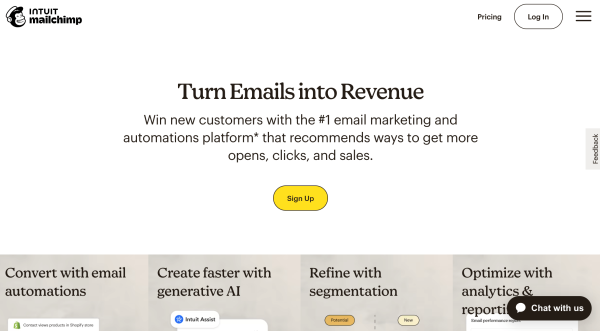
Mailchimp is a comprehensive digital marketing platform with tools for email, automation, CRM, and e-commerce, ideal for businesses needing multichannel campaign support and AI-powered recommendations.
Key Features
- Multichannel Campaigns: Manage email, SMS, landing pages, and social media ads from one dashboard.
- Journey Builder: Automates sequences like onboarding and re-engagement.
- Data Integration: Connects with 500+ tools, including e-commerce and CRM platforms.
- Detailed Reporting: Insights on opens, clicks, and engagement patterns.
- Customizable Templates: Access a variety of templates with drag-and-drop functionality.
Pros and Cons
- Pros: Intuitive, multichannel platform; extensive integrations.
- Cons: Some essential features are restricted in lower-tier plans.
Pricing
- Free: 500 contacts, 1,000 emails/month.
- Essentials: Starts at $13/month (500 contacts).
3. Hubspot
Best for: Businesses needing an all-in-one CRM for sales, marketing, and customer service.
Overview
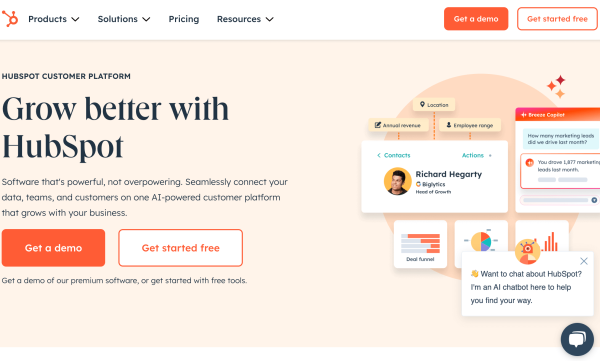
HubSpot combines CRM, sales, and marketing in a single platform that’s ideal for streamlining customer data and automating tasks. With 1,500+ integrations, it’s a top choice for managing customer relationships and multichannel marketing.
Key Features
- Unified CRM: Consolidates sales, marketing, and customer support data.
- Automated Workflows: Custom workflows for email, tasks, and deal stages.
- Omnichannel Communication: Supports email, SMS, and social messaging.
- Analytics Dashboard: Track campaign performance and customer engagement in one view.
- Seamless Integrations: Syncs with 1,500+ platforms for holistic customer management.
Pros and Cons
- Pros: Comprehensive free CRM with robust customization.
- Cons: High costs for advanced features on professional plans.
Pricing
- Free Plan: $0/month for up to 2 users, includes 10 active lists, 1,000 static lists, up to 100 products, and limited daily exports.
- Starter: $15/month per seat, includes essential marketing tools for up to 1,000 contacts, with monthly or annual billing options.
3. Seventh Sense
Best for: Businesses using Marketo or HubSpot, especially those focused on account-based marketing.
Overview
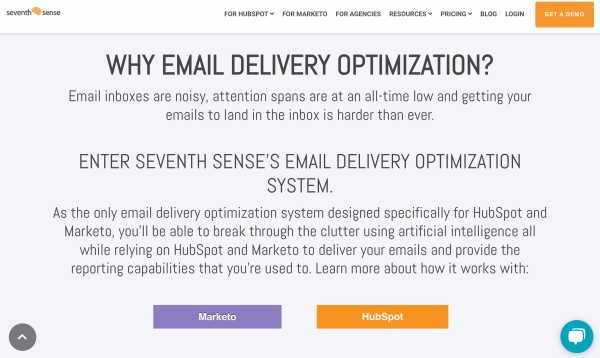
Seventh Sense personalizes send times to ensure each recipient receives messages at their optimal engagement time. Integrated with Marketo and HubSpot, it boosts deliverability and engagement with intelligent email throttling.
Key Features
- Send Time Optimization: AI-driven timing for optimal email engagement.
- Throttling: Avoids spam filters by pacing email sends.
- Dynamic Segmentation: Adjusts lists based on engagement patterns.
- Error Management: Allows mid-send corrections in case of errors.
- Full Integration: Designed specifically for HubSpot and Marketo.
Pros and Cons
- Pros: Optimizes send times for better engagement; integrates with Marketo and HubSpot.
- Cons: Requires Marketo or HubSpot for full functionality.
Pricing
View Pricing for HubSpot and Marketo.
4. Rasa.io
Best For: Associations and content-heavy businesses focused on subscriber engagement.
Overview
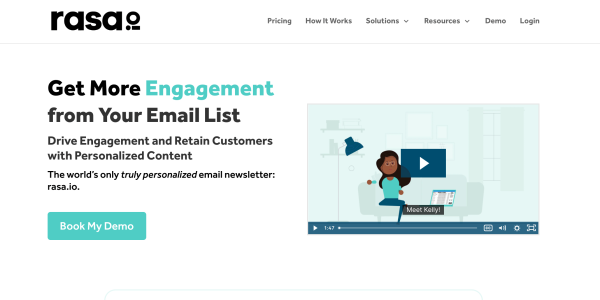
Rasa.io automates personalized newsletters by curating content for each subscriber’s interests, making it ideal for organizations wanting to boost engagement with tailored content.
Key Features
- AI-Powered Content Curation: Customizes newsletters with articles based on reader interests.
- Engagement-Based Personalization: Adapts content based on reader activity.
- Analytics: Measures open rates, click-throughs, and engagement trends.
- Multiple Newsletters: Manage different subscriber segments from a single dashboard.
- Manual Content Selection: Balance automated recommendations with manual content choices.
Pros and Cons
- Pros: Automated, personalized content curation for high engagement.
- Cons: High pricing for full-featured plans.
Pricing
- Free Trial available; paid plans start at $190/month.
5. ActiveCampaign
Best For: Small to medium businesses seeking powerful automation.
Overview
ActiveCampaign offers powerful email automation, advanced segmentation, and CRM integration, making it ideal for automating customer journeys.
Key Features
- Behavioral Automation: Trigger emails based on user actions and attributes.
- Built-In CRM: Automates lead scoring and pipeline management.
- Detailed Segmentation: Segment contacts with tags, custom fields, and actions.
- Multi-Channel Marketing: Combine email, SMS, and social ads for cohesive campaigns.
- In-Depth Reporting: Real-time metrics on campaign performance and engagement.
Pros and Cons
- Pros: Exceptional automation capabilities; detailed segmentation.
- Cons: Limited customer support channels.
Pricing
- Free trial: available for limited time.
- Lite: Starts at $15/month
5. Brevo (previously Sendinblue)
Best For: Budget-conscious small to mid-sized businesses.
Overview
Brevo is an affordable, all-in-one marketing platform offering email automation, CRM, and SMS tools for businesses needing reliable, budget-friendly solutions.
Key Features
- Flexible Pricing: Pay-per-email model for cost-efficient email management.
- CRM Integration: Includes a free CRM for organizing contacts.
- Omnichannel Support: Combines email, SMS, WhatsApp, and Facebook ads.
- Automation Workflows: Lead scoring and cart recovery for automated touchpoints.
- Pre-Built Templates: Customizable options for email and landing pages.
Pros and Cons
- Pros: Budget-friendly pricing; solid automation for small businesses.
- Cons: Limited landing page design options on basic plans.
Pricing
- Free: 300 emails/day with Brevo branding.
- Starter: $8.08/month for 5,000 emails.
6. Lavendar.ai
Best For: Sales teams aiming to increase email engagement.
Overview
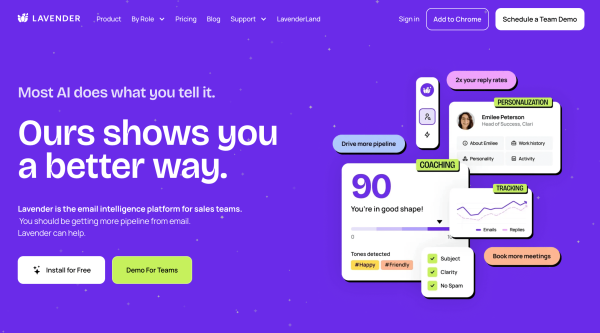
Lavender.ai is an AI-powered assistant that enhances sales email performance with real-time guidance, personalization, and insights. Integrating with Gmail, Outlook, HubSpot, and other platforms, it helps even novice writers create effective emails that resonate with recipients.
Key Features
- Real-Time Suggestions: Provides writing guidance to improve email effectiveness.
- Personalization Tools: Imports LinkedIn and CRM data for tailored emails.
- Mobile Preview: Ensures mobile-friendly email formatting.
- Email Optimization Dashboard: Tracks engagement rates and improvement areas.
- Platform Integrations: Works with Gmail, Outlook, and major CRMs.
Pros and Cons
- Pros: Real-time personalization and feedback for sales emails.
- Cons: Advanced features may feel overwhelming to new users.
Pricing
- Free Plan: Limited to 5 emails and personalizations per month
- Starter Plan: $27/month
7. Omnisend
Best For: E-commerce businesses seeking budget-friendly email and SMS solutions.
Overview
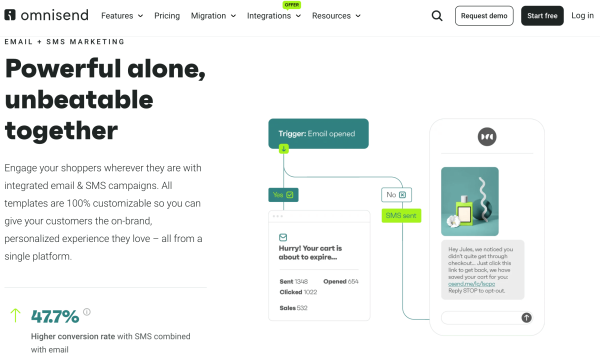
Omnisend is an affordable platform for e-commerce businesses, offering robust email templates, list segmentation, and multi-channel automation. With email, SMS, and push notifications managed through a user-friendly dashboard, Omnisend’s tools are tailored to small and midsize businesses looking to grow their customer base.
Key Features
- Automated Workflows: Supports welcome, cart recovery, and transactional messages.
- Segmentation and Targeting: Creates groups based on shopping behavior and engagement.
- E-Commerce Integrations: Connects with Shopify, WooCommerce, and other platforms.
- Conversion Tools: Uses dynamic discount codes and campaign boosters.
- Analytics for Sales: Monitors product performance and customer engagement metrics.
Pros and Cons
- Pros: High-quality templates with e-commerce focus; beginner-friendly.
- Cons: SMS costs add up quickly with frequent campaigns.
Pricing
- Free Plan: Up to 250 contacts and 500 emails/month
- Standard: Starts at $16/month for 6,000 emails
8. GetResponse
Best For: Small to medium businesses and content creators needing comprehensive email and sales automation.
Overview
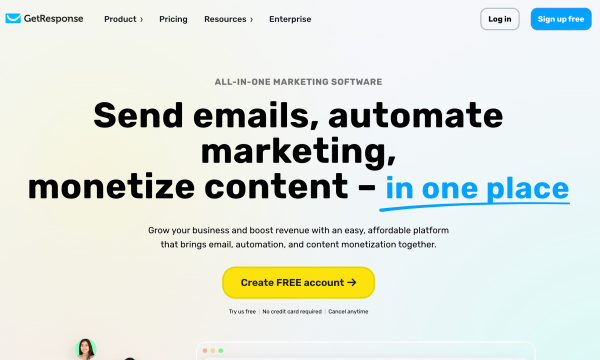
GetResponse is an all-in-one platform offering email marketing, automation, course creation, and sales funnels. With an AI-powered email generator, autoresponders, webinars, and sales funnel tools, it’s designed to help businesses drive engagement and conversions.
Key Features
- Advanced Automation: Set up customer journeys with triggers and autoresponders.
- Landing Pages and Funnels: Create conversion-focused pages and track user interactions.
- Webinars and Live Chat: Host webinars and live chat for customer engagement.
- E-Commerce Integration: Syncs with Shopify and WooCommerce for streamlined sales.
- AI Email Tools: AI-assisted email copywriting and subject line generation.
Pros and Cons
- Pros: Comprehensive toolset for marketing automation; unique course creation tools.
- Cons: Steeper learning curve for new users.
Pricing
- Free Plan: Sign up for 30 days and get all features for free.
- Email Marketing Plan: Starts at $19/month
9. Moosend Review
Best For: Small businesses and eCommerce brands seeking affordable AI-driven content generation.
Overview
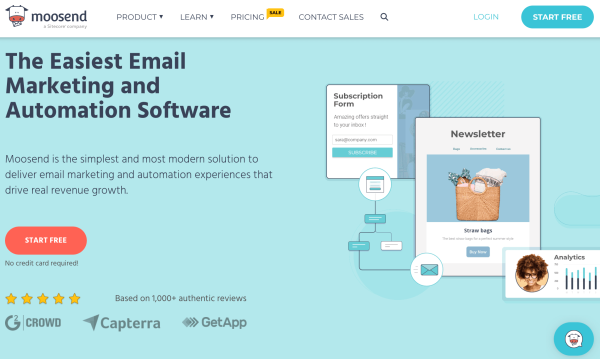
Moosend is known for its AI-powered email content generation and automation workflows, making it ideal for brands focused on streamlining their marketing efforts.
Key Features
- AI-Driven Content: Generates email copy, subject lines, and suggestions.
- Advanced Automation: Pre-built workflows for cart recovery and re-engagement.
- Landing Pages and Forms: Create landing pages and forms with drag-and-drop.
- Real-Time Analytics: Monitors campaign performance and conversion rates.
- Product Recommendations: Personalizes emails with dynamic product suggestions.
Pros
- Pros: Cost-effective with strong automation capabilities; intuitive drag-and-drop editor.
- Cons: Limited integrations compared to competitors.
Pricing
- Free Plan; For 30 days up to 1,000 subscribers and unlimited emails.
- Pro Plan: Starts at $7/month (annual billing).
How to Pick the Right AI Email Marketing Tool
Choosing the right tool can feel overwhelming, but here are some things to consider:
- Budget Matters
- Review different pricing tiers and think about future scalability as your email list grows.
- Technical Compatibility
- Ensure the tool integrates smoothly with your current CRM or CMS. It’s also wise to check for API access and data security features.
- Must-Have Features
- Look for personalization options, automation capabilities, A/B testing features, and advanced analytics to inform your strategy.
Best Practices for Implementation
- Start with Clean Data
- An accurate email list is crucial for ensuring deliverability. Regular audits and a solid data collection process are essential.
- Set Clear Goals
- Define what success looks and feels like-open rates, click-through rates, or conversions. Monitor regularly for your metrics.
- Gradual Implementation
- Start with simple functionalities such as automation and segmentation, then grow into the more advanced functionalities as you get comfortable.
What’s Next for AI in Email Marketing?
The future is bright for AI in email marketing. Some trends to look out for:
- Enhanced Predictive Analytics: AI will even be better at predicting customer behaviors that will permit businesses to target customers more precisely.
- Deeper Personalization: Expect even more personalized experiences at the individual level, enhancing user engagement.
- Seamless Integrations: I tools will integrate into other marketing channels, creating a more cohesive customer experience.
- Improved Automation Workflows: Automation will become smarter, allowing for more advanced mapping of customer journeys.
Wrapping It Up – Which Tools Should You Choose?
AI email marketing tools are transforming how businesses engage and optimize campaigns. Whether you are. a small business, a scaling enterprise, or an established e-commerce giant, there’s an AI email tool suited for you. Here are some tips to choose the best option:
- Starting Out: If you’re testing AI-driven email marketing, try Moosend for affordable AI content generation or GetResponse for comprehensive email automation with a free trial, or Mailchimp if you need a beginner-friendly, multichannel platform. Mailchimp’s free plan is especially handy for managing emails, social ads, and landing pages from one place.
- E-commerce Focused: For businesses aiming to improve online sales, Klaviyo and Omnisend are perfect for their advanced segmentation and robust e-commerce integrations.
- Scaling and Personalization: If detailed customer segmentation and automation are priorities, consider ActiveCampaign or HubSpot—they are flexible for scaling your strategy.
Most tools offer free trials or entry-level plans, making it easy to test and see what best meets your needs without a long-term commitment. Taking the time to explore a couple of options can make all the difference in finding a solution that truly enhances your email marketing efforts.
